
Menopause, social media and the pressure to look younger: Are we forgetting what healthy ageing really means?
By Dr Tonia Mezzini
As women move through perimenopause and menopause, our bodies change. Our weight distribution can shift, muscle mass can decline, skin changes, and the body we have known for decades may begin to feel unfamiliar.
These changes are a normal part of ageing. Yet, increasingly, I feel women are being made to believe that they are something to fight, fix or reverse.
Social media has a significant role to play in this.
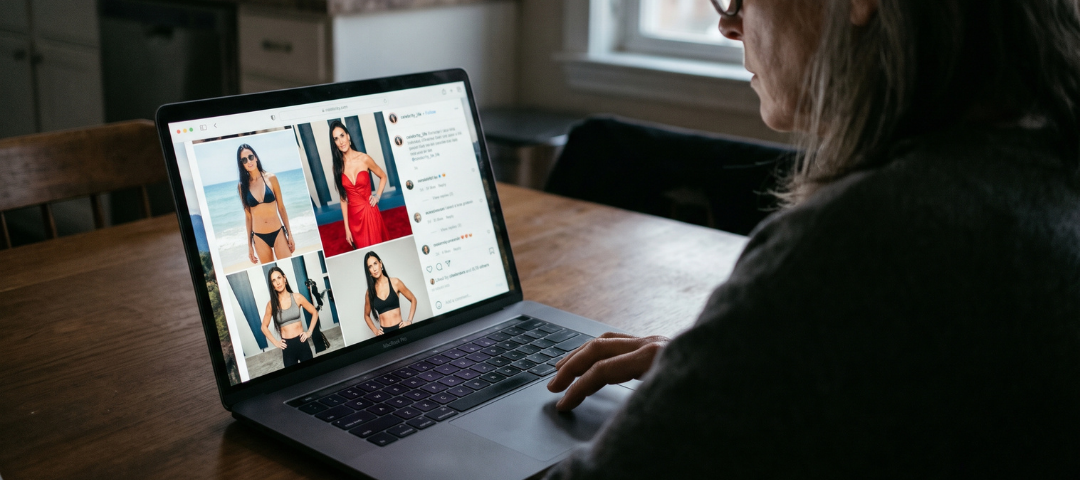
We are constantly exposed to images and messages promoting a particular version of what it means to age well. Think sculpted bodies, minimal body fat, perfectly toned arms, youthful skin and an expectation that women in their 50s and 60s should look impossibly fit, glamorous and, dare I say, super-sexy.
The Demi Moore aesthetic has become something of an aspiration. But when did looking young become the benchmark for being healthy?
The growing pressure on women in midlife
It's certainly something I see in clinic. Women are becoming increasingly preoccupied with their body image, weight, protein intake and maintaining a particular appearance.
There is nothing wrong with wanting to feel strong, eating well or taking an interest in your health. In fact, these are important considerations as we age. Maintaining muscle strength, supporting bone health, eating a balanced diet and staying physically active all have an important role in our long-term wellbeing.
But there is a difference between looking after your body and feeling that your body is never good enough.
I worry that the conversation around women's health and ageing is becoming dominated by aesthetics rather than health. Protein targets, weight-loss medications, intense exercise regimes and anti-ageing treatments are increasingly presented as essential to getting older successfully.
And for women already navigating the physical and emotional changes of menopause, this constant messaging can be exhausting.
Social media isn't always showing the full picture
A recent ABC News report highlighted the growing concern around body image and eating disorders among older women, with experts warning that perimenopause and menopause can be particularly vulnerable periods.
The report noted that 42 per cent of Australian women living with an eating disorder are aged 35 and older, while 16 per cent are aged 50 and older.
It is a reminder that body image concerns do not disappear as we get older. In fact, significant life transitions, hormonal changes and shifting relationships with our bodies can make these concerns more pronounced.
Social media can amplify this pressure. While we may have seen a shift towards body positivity in recent years, there is now an overwhelming amount of content celebrating thinness, extreme fitness and seemingly effortless youthfulness.
The problem is that we are comparing ourselves with carefully curated images, often enhanced by filters, professional lighting, cosmetic procedures and sometimes simply unrealistic expectations.
When this is the content appearing in our feeds every day, it can become difficult not to question our own appearance.
Menopause should be about health, not chasing our younger selves
Menopause is a significant stage of life, and it deserves a much more balanced conversation.
Yes, we should be talking about protein, resistance training, cardiovascular health, bone density and nutrition. These things matter. But we also need to talk about sleep, mental health, sexual wellbeing, relationships, confidence and feeling comfortable in our own skin.
As a women's sexual health physician, I am particularly conscious of how hormonal changes can affect a woman's relationship with her body and her sense of self.
Changes to our skin, vulval and vaginal tissues, sexual comfort and libido can all influence how we feel about ourselves. These are legitimate health concerns, and women deserve support and evidence-based information rather than another message telling them how they should look.
We need to stop confusing looking younger with being healthier.
Healthy ageing is not about maintaining the body you had at 25, fitting into a particular dress size or looking like a celebrity in her 60s. It is about maintaining strength, independence, energy, intimacy and quality of life.
It's time to change the conversation
I would love to see women feel less pressure to compete with an unrealistic ideal and more freedom to enjoy the bodies they have.
That doesn't mean giving up on exercise, nutrition or taking pride in our appearance. It means finding a healthier motivation for those things.
Move because it makes you feel strong. Eat well because your body needs nourishment. Look after your skin because you deserve to feel comfortable. Seek help when menopause symptoms affect your quality of life.
And perhaps most importantly, be mindful of what you are consuming on social media. If certain accounts leave you feeling inadequate, anxious or dissatisfied with your body, it may be time to unfollow them.
We have so much more to offer as women than our appearance. Our experience, knowledge, relationships, resilience and the lives we continue to build are far more meaningful measures of how well we are ageing.
I don't want women to look back on their lives and remember how much they weighed or how closely they managed to maintain their appearance. I want them to remember how much they lived.
Let's make healthy ageing about feeling well, feeling confident and living fully, not spending the next 30 years trying to look like someone else.
Dr Tonia Mezzini
Sexual Health Physician