
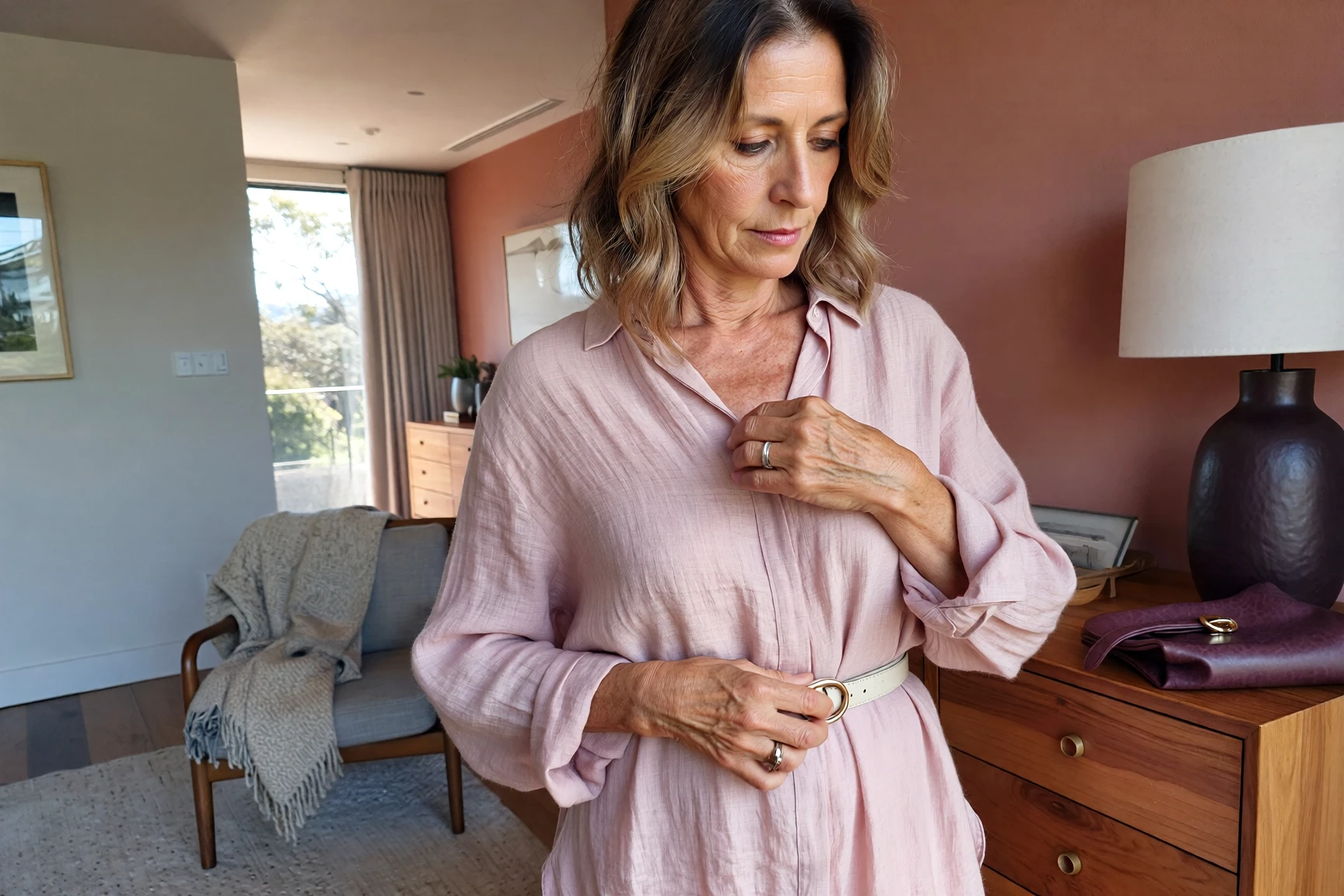
When Vulvovaginal Discomfort Is Put Down to ‘Just Sensitivity’
Why discomfort is often normalised or dismissed
Many women live with vulvovaginal discomfort for longer than they need to.
Dryness, irritation, itching, or a sense that the skin is easily unsettled is often attributed to “sensitive skin”, ageing, exercise, or hygiene. These explanations can feel reasonable, particularly when symptoms fluctuate or temporarily improve.
What is less well recognised is how common atrophic vaginitis (AV) actually is. Studies suggest that between 60 and 85 percent of women will experience AV within five years of their final menstrual period, and symptoms can begin earlier, even while periods are still occurring. Because the changes often develop gradually, they are easy to normalise or overlook.
This is why clear diagnosis matters. Assessment by a clinician with experience in vulvovaginal health, such as a women’s health GP, gynaecologist, dermatologist, or sexual health physician, can help distinguish AV from infection, dermatitis, or other causes of discomfort. That clarity allows care to be guided by what is actually happening, rather than by assumptions that may delay appropriate support.
How AV can hide in plain sight
AV develops as oestrogen levels fall, leading to thinning, dryness, and increased fragility of vaginal and vulval tissue.
What makes AV easy to miss is that:
- Symptoms can be mild at first
- Discomfort may come and go
- External irritation may dominate the experience
- There is no single defining symptom
As a result, women may adapt quietly rather than seek clarity.
Common assumptions that delay recognition
Several familiar explanations can unintentionally delay proper assessment.
“My skin has just become more sensitive”
Increased sensitivity can be real, but when tissue changes are hormonally driven, external products or fabric changes alone rarely resolve the issue.
“It’s probably something I’m doing”
Many women adjust hygiene routines, avoid certain clothing, or change activity levels in response to discomfort. While these changes may reduce friction, they do not address underlying tissue changes.
“It comes and goes, so it can’t be anything significant”
Fluctuation is a hallmark of AV. Periods of comfort do not rule it out.
When itching is mistaken for thrush
Vulvovaginal itching is frequently assumed to be thrush, and over-the-counter treatments are often used without confirmation.
However, itching is not specific to thrush. With AV, dryness and thinning of the tissue can also cause irritation or itch.
Some thrush treatments may appear to help temporarily because they are formulated in an emollient base that briefly soothes the skin. Repeated or unnecessary use can:
- Delay a clear diagnosis
- Mask ongoing tissue changes
- Further irritate sensitive vulval skin
- Contribute to vulval dermatitis
If symptoms persist or recur, professional assessment is important to clarify what is actually driving the discomfort.

Why clarity matters more than coping
Living with ongoing discomfort, even when it feels manageable, carries a quiet cost.
Without clarity:
- Symptoms may gradually worsen
- Skin can become more reactive over time
- Confidence around daily activities may shrink
- Women may blame themselves unnecessarily
Understanding whether AV is contributing allows care to be more appropriately tailored, rather than endlessly adjusting around symptoms.
Seeking clarity without urgency
Not every symptom requires immediate intervention. But persistent, recurring, or unexplained discomfort deserves attention.
A clinician can help distinguish AV from infection, dermatitis, or other causes, and guide next steps based on individual circumstances, including cancer history where relevant.
Seeking clarity is not about escalating the problem. It is about naming it accurately.

A closing thought
Vulvovaginal discomfort is not something women should have to quietly work around or explain away.
When symptoms are repeatedly attributed to sensitivity, hygiene, or chance, underlying causes can be missed. Naming what is happening allows women to respond with informed care rather than self-blame.
Clarity, not urgency, is often the most reassuring step.