 Part proceeds to McGrath Foundation

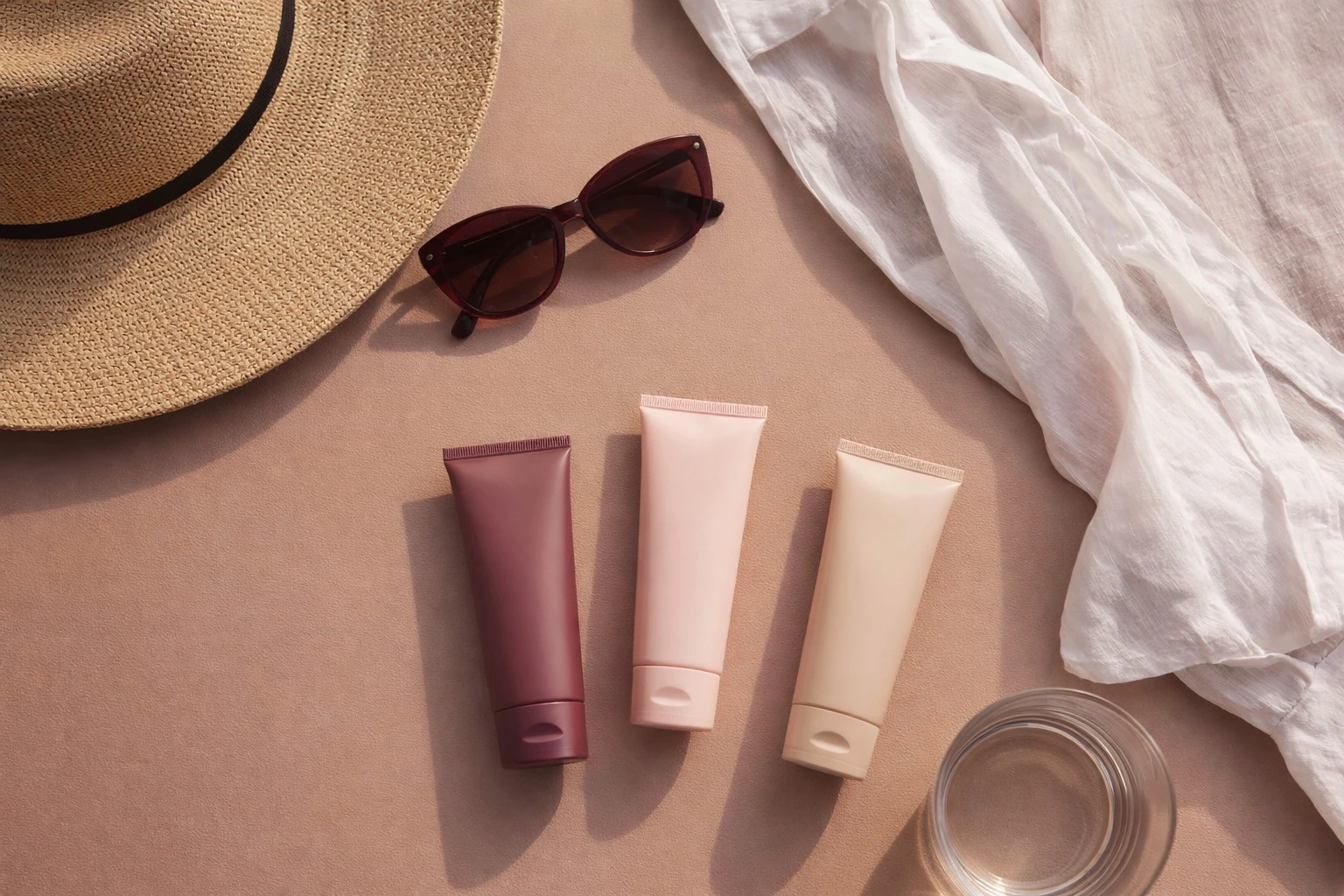
The Sunscreen Wardrobe Edit
Sunscreen advice often sounds like a lecture: apply a perfect amount, reapply perfectly on schedule, never miss a spot, never forget. Real life is not like that.
Instead, think of SPF like a wardrobe. You do not own one outfit for every occasion. You choose what works for the day you are actually having. This edit is about building a sunscreen “wardrobe” that makes daily protection more realistic, more comfortable, and far more consistent.
A quick SPF primer
SPF is a measure of UVB protection, the rays most linked with sunburn. As the number goes up, you get more protection, but it is not a straight line. SPF 30 blocks about 97 percent of UVB, while SPF 50 blocks about 98 percent. That sounds close (because it is), but at the real-life level SPF 50 gives you a bigger margin for error when you under-apply, sweat, or miss spots.
Practical rule: use the highest SPF you can comfortably manage on your face, most days. In winter, SPF 30 can be a reasonable baseline for some people. In summer, aim for SPF 50 if you can tolerate it.
And no, SPFs are not additive. Layering SPF 30 skincare with an SPF 15 moisturiser or “men’s” product does not equal SPF 45. The final protection is only as good as the single tested product layer on top and how much you actually apply.
Step 1: Pick your everyday “office SPF”
This is the one you can wear without thinking.
Look for:
- Comfortable finish (not greasy, not tight)
- No eye sting (especially if you wear it close to the lids)
- Plays well with moisturiser and makeup
- Broad spectrum
Your goal is not perfection, it is repeatability.
If you are choosing just one daily face SPF, choose SPF 50 if you can manage it comfortably, especially in the warmer months. If SPF 50 feels too heavy or irritating, SPF 30 is still worth wearing, particularly in winter, because consistency beats the “perfect” product you avoid.
Step 2: Add a “sport and sweat” option
If your everyday SPF slides, stings, or melts when you sweat, you need a separate one for movement days.
Look for:
- Water resistance (check the label for the water resistant time)
- More grip, less slip
- A formula that tolerates reapplication
Pro tip: On training days, put SPF on first, then get dressed. Fabric can rub off product, especially around the neckline and shoulders.
Step 3: Build your reapplication plan
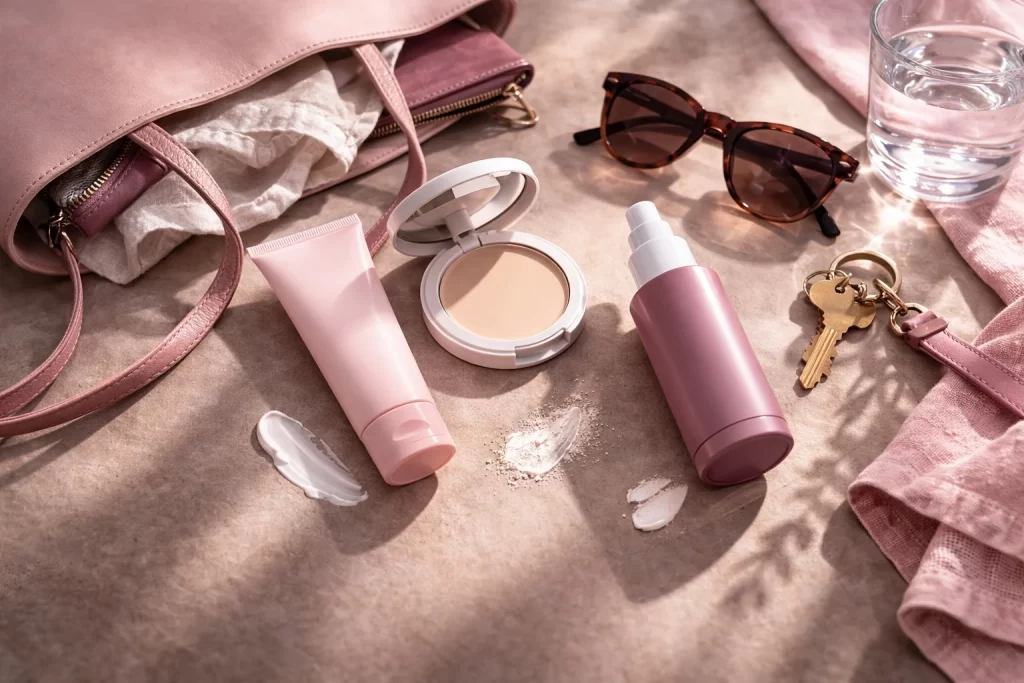
Reapplying is where most routines fall over, not because people do not care, but because it is inconvenient.
Choose the method that matches your day:
- At home: reapply as your second “get ready” moment (before you leave, not after you arrive)
- At work: keep a dedicated SPF at your desk or in your bag
- Over makeup: use what you will actually use (some people prefer a cushion style, some a gentle cream patted on, some a mist used carefully, eyes closed)
If reapplication is not happening, simplify the day rather than blaming yourself.
The bit no one says out loud: clothing is part of your SPF
Sunscreen is one layer of protection. Clothes are another, and they do not run into your eyes.
Easy upgrades that do not feel like effort:
- A light shirt with a collar for neck coverage
- Sunglasses that actually cover the eye area
- A hat you will wear, not the hat you think you should wear
- A lightweight scarf for driving days (neck and chest get a lot of incidental sun)
The “high risk zones” check (30 seconds)

Most missed spots are predictable. Before you leave the house, quickly tap:
- Hairline and parting
- Ears (front and back)
- Sides of neck
- Upper chest
- Backs of hands
This tiny habit makes a bigger difference than buying a fancier product.
Sensitive or reactive skin: how to choose without flaring
If your skin is easily irritated, the best SPF is the one you can tolerate daily.
Try:
- Fragrance free formulas
- Patch testing on the jawline for a few days
- Keeping the rest of your routine simple while you trial a new SPF
If you are mid flare (stinging, tightness, redness), treat your barrier first and keep everything bland and minimal until it settles.
Myth to retire
Myth: “If I am inside, I do not need SPF.”
Reality: If you sit near windows, drive a lot, or do incidental outdoor trips, daily SPF still makes sense. Think of it as your default layer, like brushing your teeth.
A simple 7-day Sunscreen Wardrobe challenge
Day 1: Put SPF next to your toothbrush
Day 2: Do the high risk zones check
Day 3: Add neck and ears deliberately
Day 4: Pack a reapplication option in your bag
Day 5: Use hats or clothing for coverage on a busy day
Day 6: Reapply once, at a time you choose
Day 7: Decide your two SPF staples (everyday plus sweat)
Daily SPF does not need to be perfect to be protective. If you build a wardrobe that fits your real days, consistency becomes automatic. And that is the quiet win that adds up over time.