
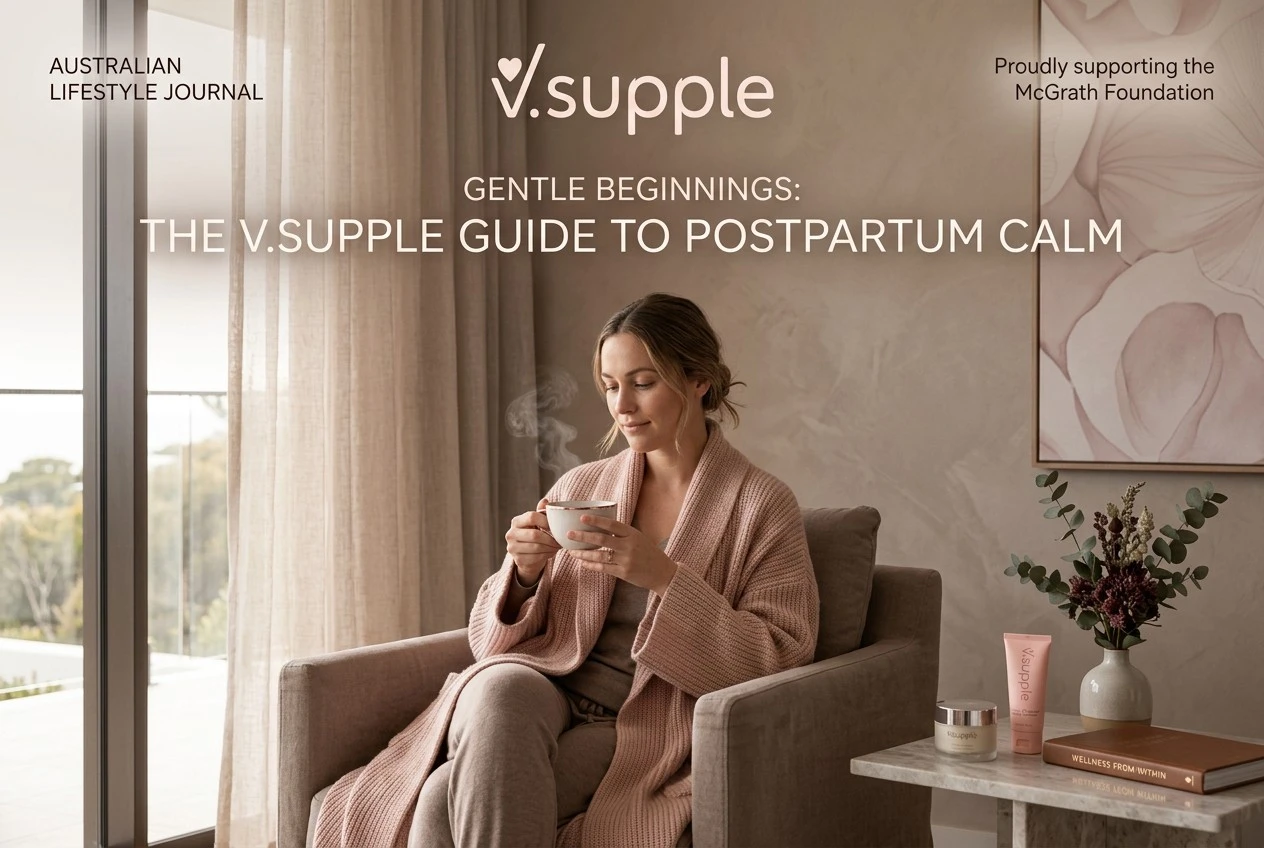
Postpartum Dryness After Birth: What Is Common, What Helps, and When to Check In
Some postpartum changes get talked about constantly. Bleeding, stitches, tiredness, feeding, sleep deprivation. Everyone seems to have something to say about those.
Dryness is different.
A lot of women notice dryness, irritation or a generally uncomfortable feeling after birth and are surprised by it, partly because hardly anyone mentions it clearly. When it does come up, it is often brushed aside as just part of recovery.
But even when something is common, that does not make it easy, and it certainly does not mean you have to sit quietly with it.
After birth, your body is healing, your hormones are shifting, and if you are breastfeeding, that can temporarily affect oestrogen levels too. All of that can change how the vaginal and vulval area feels. For some women it shows up as dryness. For others it feels more like tenderness, friction, stinging, or discomfort with intimacy. Sometimes it is mild and settles as recovery progresses. Sometimes it lingers longer than expected and starts to affect daily comfort.
That is the part worth saying plainly: postpartum dryness is real, it is not trivial, and it deserves better conversation than it usually gets.
Why dryness can happen after birth
Postpartum recovery is not only about what happened during labour. It is also about what happens afterwards, when the body begins repairing, hormones shift quickly, and tissue that has been stretched or irritated may feel more sensitive than usual.
One reason dryness can happen is lower oestrogen. Breastfeeding can temporarily contribute to this, which is why some women notice that things feel drier, more delicate or more uncomfortable than expected. That does not mean breastfeeding is a problem. It simply means that for some women, it can temporarily change how the area feels.
Healing can also play a part. If you have had tearing, stitches, an episiotomy, or simply a lot of swelling and tenderness after a vaginal birth, the whole area may feel more delicate for a while. That can make friction feel worse, whether that is from underwear, movement, wiping, exercise or intimacy.
And sometimes the issue is not only internal. Dryness and irritation can affect the vulval area externally too, which is why some women describe discomfort when dressing, walking or sitting rather than only during sex.
What postpartum dryness can feel like
It does not always announce itself dramatically.
Sometimes it feels like stinging when urine touches healing tissue. Sometimes it is more of a dry, tight or rubbed sensation. Sometimes it shows up as irritation from overwashing, discomfort in tighter clothing, or pain and friction with intimacy. Sometimes it is simply the sense that the area feels more delicate than expected.
Not every uncomfortable postpartum symptom is dryness, and not every pain should be self-explained away. But dryness is common enough that it deserves to be on the radar, especially if you are wondering why things suddenly feel less comfortable than they used to.
What may help
Postpartum care does not need to be elaborate to be sensible.
A gentler approach is often the most useful place to start. That means avoiding perfumed washes, douches, wipes and harsh soaps in the area, because they can add irritation to tissue that is already sensitive. Hot water can also make dryness worse, so lukewarm showers tend to be kinder.
Comfort matters too. Soft, breathable underwear and less friction from tight clothing can make a noticeable difference when the area already feels dry or tender.
If intimacy feels uncomfortable, slowing things down matters. A water-based lubricant may help reduce friction. Some women also benefit from vaginal moisturisers, but anything persistent or significant is worth discussing with a GP, postpartum clinician or women’s health professional rather than trying product after product on your own.
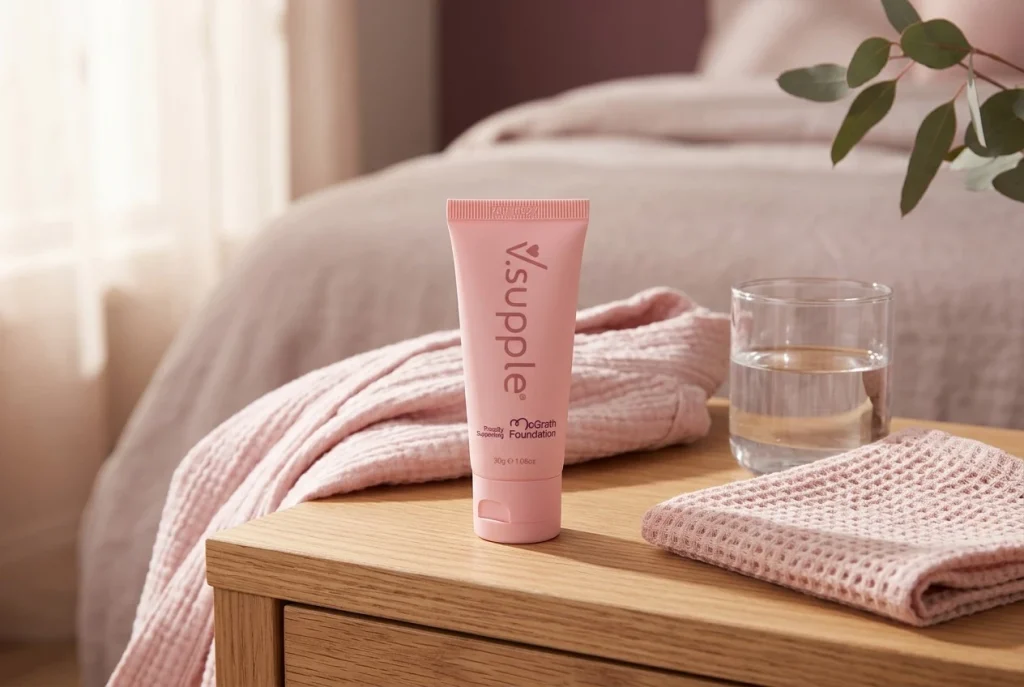
This is also where it helps to widen the conversation around comfort products. V.supple® Balm is not only a menopause product. It is also a relevant option for postpartum comfort because it is designed for dryness, irritation and discomfort in the external vulval area, including postpartum recovery. Used as intended, it can sit naturally within a gentle postpartum care routine for women wanting external moisture and comfort support, especially when the area feels dry, delicate or easily irritated.
That matters, because many women assume vulval comfort products are only for menopause. They are not. Postpartum recovery can bring its own period of dryness and sensitivity, and it deserves the same thoughtful support.
When to check in
A routine postnatal check is usually recommended around six weeks after birth, but you do not need to wait until then if something feels wrong. Earlier review makes sense if you are worried about healing, if pain is not improving, if sex is painful, or if the area becomes more inflamed, swollen or red.
You should also seek medical advice sooner if you notice unusual discharge, an unusual smell, fever, or a heavy dragging feeling in the vagina. Those are not symptoms to quietly normalise away.
The same goes for anything that is affecting daily life for more than a few weeks. Dryness may be common, but persistent symptoms still deserve proper support.
The conversation we should be having more often
Postpartum recovery is full of things women are expected to quietly absorb.
Dryness should not be one of them.
It is common. It can be uncomfortable. It can be emotional. It can affect confidence, comfort and intimacy at a time when your body already feels very different. None of that makes you difficult, dramatic or overly focused on yourself. It makes you someone noticing a real symptom during a major recovery period.
And the better message is this: common does not mean you should just put up with it. Gentle care helps. Clear information helps. And when symptoms persist, proper follow-up helps too.