

Holiday Intimacy Survival Guide: Keeping Sensitive Skin Calm When Everything Else Is Chaos
Travel, strange beds, shared bathrooms and why vulval and intimate skin often flare just when you finally have time together.
Introduction – why holidays are hard on intimacy
Holidays are supposed to be when couples reconnect. In reality, they often expose every weak point in sensitive and intimate skin.
New beds. Synthetic hotel sheets. Long drives. Tight plane seats. Different water, different laundry powders, more alcohol and less sleep. Add the pressure to "make the most of the time together" and it is no surprise that vulval irritation, friction, thrush flares and painful sex are common holiday stories in clinic rooms.
This V.supple Skin Edit looks at why holidays can be so difficult for fragile skin and mucosa, and offers a practical, medically honest survival guide that respects both bodies in the room.
1. The travel day problem: friction before you even arrive
The seat, the seams and the sweat
Long periods sitting in a car, plane or train do three things that matter for vulval health:
- Increase pressure and shear at the vulva, perineum and perianal area
- Trap heat and moisture under seams, pads and synthetic underwear
- Limit opportunities to adjust, air, wash or reapply barrier products
If the skin is already thinner or drier due to menopause, cancer treatment or dermatological conditions, this is exactly the environment that provokes chafing, inflammation and micro tears.
Practical travel day adjustments
- Choose underwear with a smooth, soft gusset and minimal seams.
- Avoid firm control garments on travel days if possible.
- Plan regular "movement breaks" to stand, walk and subtly adjust clothing.
- If continence products are used, arrange for discreet changes at predictable intervals rather than waiting for discomfort.
A small, dedicated care pouch that lives in your hand luggage with intimate wipes, a non soap wash and your preferred non hormonal vulval moisturiser can make a large difference in how the first night feels.
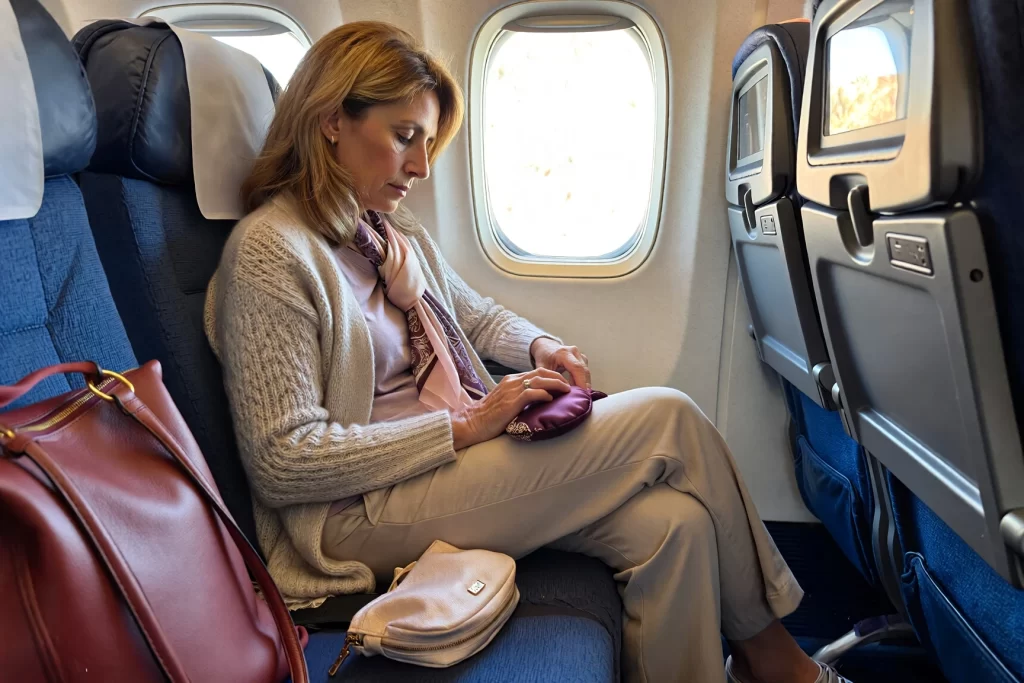
2. New beds, new detergents and inflamed skin
Holiday accommodation often means:
- Different detergents on sheets and towels
- Scented fabric softeners and room sprays
- Cheaper, more abrasive toilet paper
- Hotter or colder ambient temperatures than at home
For someone with vulval dermatitis, lichen sclerosus, GSM or post radiotherapy skin, this can move tissue from "mostly stable" into a flare within days.
What you can control
- Pack a light cotton nightie or soft shorts to provide a barrier between skin and unfamiliar sheets.
- Use a clean flannel washed in your usual detergent before you travel.
- If available, rinse the vulval area in clear water rather than relying on fragranced hotel body washes.
- Pat dry with a soft cloth and apply a small amount of your usual non hormonal balm or barrier product to key friction points before getting into bed.
For some women, bringing a spare pillowcase laundered in their usual detergent is a simple but powerful way to reduce a whole body contact dermatitis risk.
3. The food, alcohol and infection connection
Holidays often mean more sugar, more alcohol and disrupted bowel habits. These can contribute to:
- Increased vaginal and perianal moisture
- More frequent loose stools or constipation
- Higher likelihood of thrush episodes in those who are prone
- Heavier use of liners or pads "just in case"
None of these are moral issues. They are mechanical and biochemical changes that matter for delicate epithelium.
Protective habits without killing the joy
- Aim for one or two glasses of water between alcoholic drinks to support hydration and bowel function.
- Try to maintain some fibre intake even if meals are irregular.
- If you know that antibiotics or certain foods reliably trigger thrush, speak with your doctor before you travel about a plan for prevention and early treatment.
- Change out of wet swimwear promptly and avoid sitting for long periods in damp bathers.
The goal is not restriction. It is to keep tissue as stable as possible so that intimacy remains an option instead of another stressor.
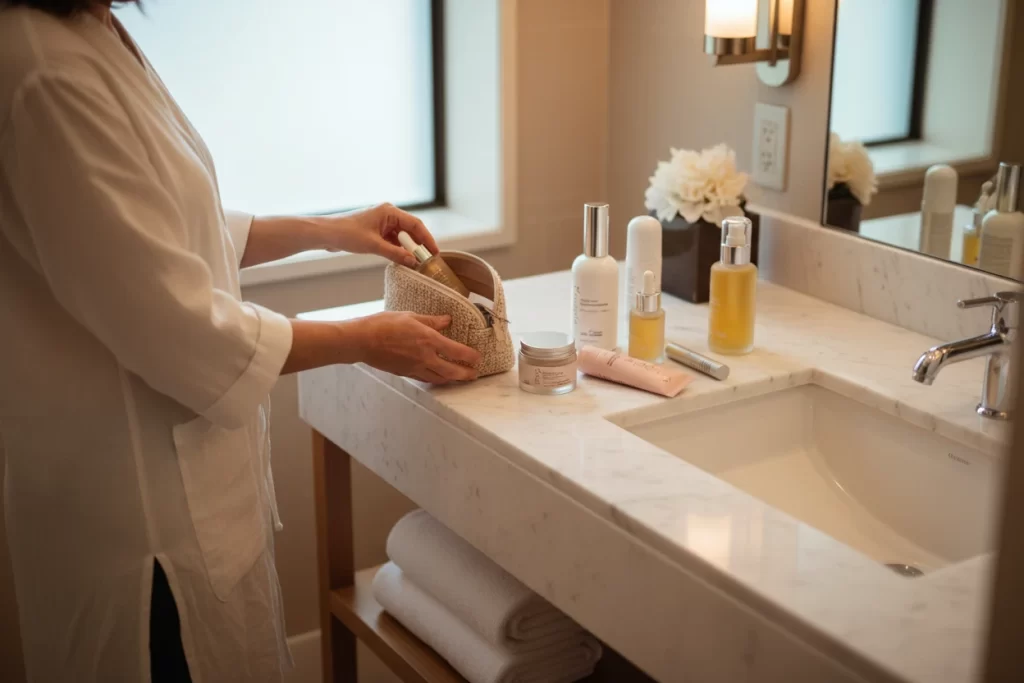
4. Preparing the tissue: barrier and hydration strategy
Sensitive vulval and perineal skin often needs preparation before intimacy, not just reaction afterwards.
Microsphere hyaluronic technology and why timing matters
V.supple formulations use microsphere hyaluronic acid, where tiny cross linked HA spheres sit in the superficial layers and gradually release water, acting as micro reservoirs. This supports sustained hydration and viscoelasticity rather than a brief surface film.
In practice, that means:
- Applying a non hormonal vulval balm with microsphere HA once or twice daily in the days leading up to travel
- Continuing once daily while away, focusing on known friction areas
- Using additional application 30 to 60 minutes before planned intimacy on tissue that is clean and gently patted dry
This approach helps the tissue meet friction with a better hydrated, more supple surface.
Supporting players: lipids and structured barrier
- Plant oils such as avocado support lipid replenishment and skin softness.
- For women with radiotherapy fields or chronic dermatitis, a structured post treatment barrier matrix can be used on those areas to reduce the impact of unavoidable contact with clothes and sheets.
If you are already under the care of a dermatologist, oncologist or vulval specialist, ask them which specific products are compatible with your condition and any topical treatments.
5. Talking about intimacy before you leave, not in the moment
Many couples silently assume that holidays are when they will "catch up" on intimacy. This can be terrifying for someone whose vulval or vaginal pain has not been addressed.
Setting expectations
Before you travel:
- Name the reality: for example, "I want us to feel close on this trip, but my body has been sore and I am still working on that with my doctor."
- Explain that you are putting a care plan in place for your skin, but that pressure will make it worse, not better.
- Agree that intimacy can include non penetrative touch, massages, showers together or simply sleeping skin to skin if intercourse is not comfortable yet.
The more that both partners understand the tissue story, the less likely it is that anyone will interpret pain or avoidance as rejection.

6. When to pause intimacy and seek medical review
Holiday plans should not override warning signs. Stop and seek advice if you notice:
- New bleeding from the vulva, vagina or perianal area that is not menstrual
- Persistent fissures, ulcers or raw patches that do not settle
- White, shiny or scar like changes to vulval skin
- Fever, severe swelling or discharge with strong odour
- Sudden severe pain with minimal contact
In these situations, self management with over the counter products is not enough. You need evaluation by a doctor familiar with vulval and perianal disease.
V.supple products are designed as non hormonal options to support hydration, barrier comfort and daily care. They are not a substitute for diagnosis, biopsy or prescribed treatment where that is indicated.
7. Putting it together – your holiday intimacy checklist
Before you go:
- Discuss expectations and comfort levels with your partner.
- Pack your own non soap wash, non hormonal vulval balm, any prescribed treatments and basic pain relief recommended by your doctor.
- Include breathable nightwear, at least one pair of cotton based underwear per day, and a clean flannel.
While you are away:
- Take friction breaks on travel days.
- Rinse and pat dry rather than over washing or scrubbing.
- Apply your chosen barrier or hydration product regularly, not only after problems appear.
- Honour "no" and "not tonight" without guilt if your body needs rest.
If you return from your holiday with a list of symptoms rather than photographs, use that as information rather than failure. Your skin is giving you a set of data points that can help refine your care plan for the next trip.