
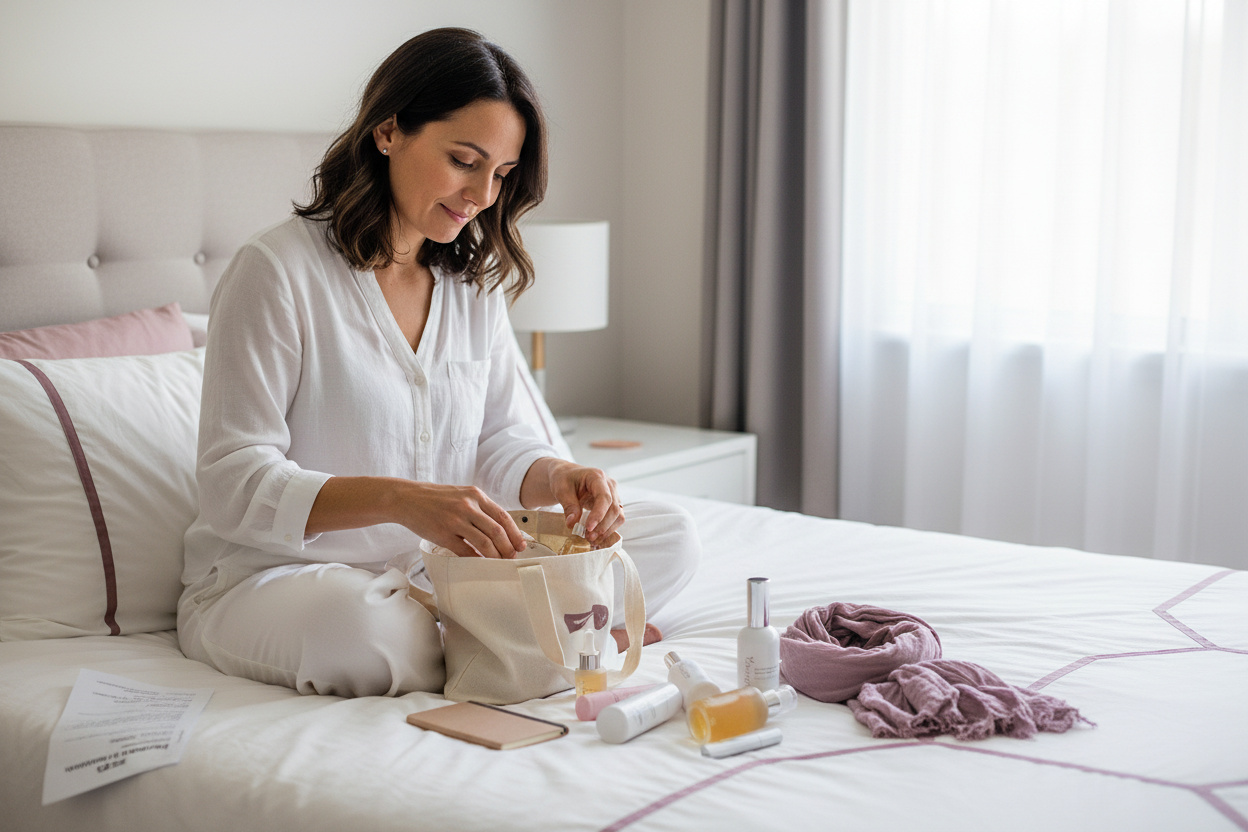
The cancer comfort kit – skin and body care to pack before treatment starts
Why this week matters
February in Australia is Ovarian Cancer Awareness Month. It is a time to talk about ovarian cancer, its symptoms, and its impact on women and their families.
On 4 February, the world marks World Cancer Day, a global observance that focuses on cancer prevention, detection and treatment, and calls for more people centred care.
For women 40 plus, many of whom are facing cancer alongside menopause or early menopause after treatment, this week can feel very close to home.
One practical, often overlooked piece of preparation is the skin and comfort side of cancer care. Small, evidence informed choices around the products that touch your skin can make day to day life during treatment more tolerable.
This Skin Edit is for women who are about to start treatment, and for the partners, friends and adult children who ask, “What can I actually do to help?”
Skin and cancer treatment – why comfort is not cosmetic
Cancer treatments such as chemotherapy, endocrine therapy and radiotherapy are well known to cause a range of skin effects:
- dryness, tightness and itch
- sensitivity to soaps, fragrance and heat
- radiotherapy related reactions in the treated field
- nail changes and hand and foot discomfort
Support organisations in Australia emphasise the importance of keeping skin moisturised with simple, fragrance free products and avoiding harsh soaps, hot water and friction, particularly during radiotherapy.
None of this replaces medical treatment or specialist wound care. It does recognise that barrier support, friction reduction and gentle cleansing are part of feeling able to get through treatment.
The cancer comfort kit – what to pack for your skin
Think of this as a checklist you can take to your cancer care nurse or oncology team. They can confirm what is appropriate for your specific treatment plan.
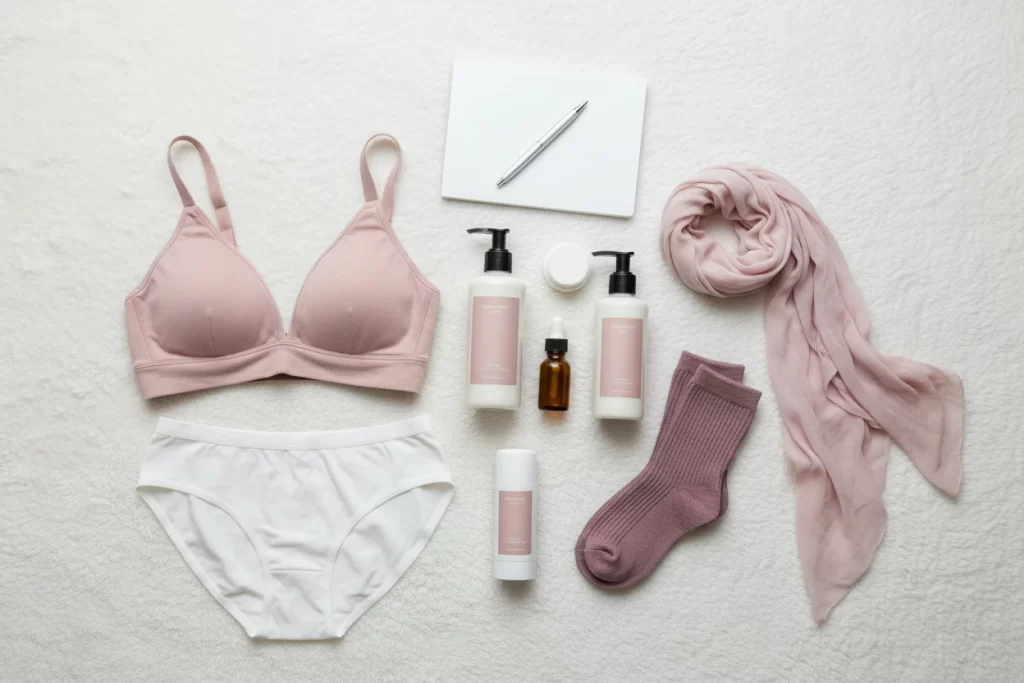
1. Cleanse – low foam, low fragrance
Why it matters
Chemotherapy and radiotherapy can make skin drier and more fragile. Hot water and soap based products strip lipids and can worsen irritation.
What to look for
- Non soap, low foaming body wash or soap substitute
- Fragrance free or very low fragrance
- Suitable for sensitive skin
How to use
- Short, lukewarm showers rather than long hot baths
- Pat dry with a soft towel rather than vigorous rubbing
- Follow your radiation department’s instructions if a particular area must be washed in a certain way
2. Moisturise – plain, consistent and on unbroken skin
Why it matters
Keeping intact skin moisturised and hydrated is part of preventing and managing dryness and irritation in radiotherapy fields and elsewhere. Support organisations advise using simple, perfume free moisturisers on unbroken skin, taking care not to apply within two hours before a radiotherapy session.
What to look for
- Plain moisturiser or body lotion with minimal fragrance and no strong actives
- Ingredients such as glycerin, ceramides and fatty acids can support the barrier
- Texture you will realistically use one to three times daily
How to use
- Apply to intact skin after bathing and, if permitted, after radiotherapy sessions
- Avoid any open, blistered or weeping areas unless your team has given specific advice
- Stop and seek review if a product stings badly or a rash appears
3. Targeted comfort for folds and friction
Cancer treatment does not pause everyday friction.
Under bra bands, waistbands, abdominal folds and groin creases can all become more vulnerable if you are:
- less active and sitting more
- wearing surgical garments or dressings
- experiencing hot flushes or sweating with endocrine therapy
In other Skin Edit pieces we have discussed friction maps and the way lower oestrogen and radiotherapy change how tissue responds to mechanical load.
Supportive ideas to discuss with your team:
- soft, cotton rich bras and underwear that avoid rough seams on scars or treatment fields
- loose waistbands that do not dig into abdominal ports or surgical sites
- a simple, non hormonal barrier cream or balm for intact skin in fold areas prone to rubbing
- avoiding talc on radiotherapy fields unless specifically recommended
Any product around a surgical wound, stoma or radiotherapy site must be cleared with your oncology or surgical team.
4. Vulval and perineal comfort
Women having chemotherapy, endocrine therapy or pelvic radiotherapy may notice:
- increased vulval and vaginal dryness
- burning or stinging with tight underwear
- discomfort with pads, liners or incontinence products
These symptoms can overlap with genitourinary syndrome of menopause, which affects many women in midlife and is often amplified by cancer treatment.
Practical points to consider with your doctor or cancer care nurse:
- breathable, cotton rich underwear and avoiding prolonged wear of damp pads
- warm water only, or a very mild external wash that respects pH
- external use of a non hormonal, fragrance free vulval balm as a comfort measure on intact skin
- discussion of local oestrogen or other medical treatments where appropriate
Products like V.supple® Balm sit in this comfort space for some women. They are non hormonal, external and designed to support hydration and barrier function of vulval skin, but they do not replace medical therapies for cancer or GUSM. Selection and timing around treatment should always be discussed with your team.
5. Underarms and odour – keeping it simple
During treatment you may:
- sweat more or less than usual
- find fragrances suddenly overwhelming or nauseating
- develop rashes under dressings or where straps and seams sit
Some people prefer to switch to a fragrance free, aluminium free deodorant that is gentle on irritated skin and does not block sweat glands. Technologies like zinc ricinoleate trap odour molecules rather than stopping sweat and are formulated to be microbiome respectful.
V.supple® Fresh Guard is an example of this type of product. Any deodorant should only be used on intact skin, away from active radiotherapy fields unless your team gives different instructions.
6. Lips, hands and nails
Small areas can have an outsized impact on comfort.
- Lips
- Choose a fragrance free balm with occlusive and humectant ingredients.
- Apply often, especially if your mouth is dry.
- Hands and nails
- Some chemotherapies cause nail and hand skin changes.
- Gentle hand cream and protection from harsh detergents can help comfort, but always tell your team about any significant nail or skin changes.
7. Soft fabrics and sensory space
Alongside products, fabrics make a real difference:
- cotton or bamboo sleepwear with minimal seams
- a soft wrap or scarf for both warmth and modesty
- non scratchy socks and bras
McGrath Cancer Care Nurses and other specialist nurses in Australia emphasise that personalised supportive care, including comfort strategies, can positively affect quality of life during treatment.
Comfort kit checklist – easy to share
| Zone or need | What to include in the kit | Questions to ask your team first |
|---|---|---|
| Cleansing | Low foaming, fragrance free body wash or soap substitute | Is this suitable with my specific chemo or radiotherapy plan? |
| Moisturiser | Plain, perfume free moisturiser or lotion for body and face | When can I apply this around treatment sessions? |
| Folds and friction | Soft cotton underwear, bras and waistbands, gentle barrier cream for intact skin | Is it safe to use this near scars, dressings or treated skin? |
| Vulval and perineal | Breathable underwear, external non hormonal vulval balm | Are there any products I should avoid with my treatment? |
| Underarms and odour | Fragrance free deodorant or aluminium free option such as zinc based formulas | Can I use this under radiotherapy fields or dressings? |
| Lips, hands, nails | Lip balm, gentle hand cream, cotton or nitrile gloves for cleaning tasks | What nail or skin changes should I report immediately? |
| Fabrics and comfort | Soft pyjamas, wrap or scarf, non scratchy socks | Are there clothing restrictions for my surgery or treatment? |
Where cancer care nurses fit in
If you are being treated in Australia, you may have access to a McGrath Cancer Care Nurse or other specialist cancer nurse. These nurses provide clinical, psychosocial and emotional support across all cancer types and can help you tailor comfort strategies to your treatment plan.
They are an ideal person to review your planned kit, advise on timing around treatments and help you know when to stop a product and seek medical review.
Important safety notes
- Skin care does not treat cancer and does not replace prescribed treatments.
- Never apply products over broken, blistered or weeping skin unless instructed.
- Follow all local instructions from your radiation department about what may or may not be used in the treatment field.
- If a new product causes burning, rash, swelling or worsening pain, stop using it and contact your team.
- For any new or worrying symptom, medical advice takes priority over self care routines.
Bringing it together
In a week that holds both World Cancer Day and the start of Ovarian Cancer Awareness Month, it is worth saying clearly that comfort is not a luxury.
A simple, thought through cancer comfort kit:
- supports the skin that carries you through treatment
- reduces avoidable friction, dryness and irritation
- gives partners, family and friends something practical to contribute
- creates small daily rituals of care in the middle of a complex medical schedule
It will not make cancer easy. Nothing does. But it can make the body you live in a little more bearable while the bigger treatments do their work.