

Cancer Recovery Support for Women: Why Whole-Person Care Matters
By Dr Tonia Mezzini
When we talk about cancer treatment, the focus quite rightly begins with treating the cancer. Surgery, chemotherapy, radiotherapy, immunotherapy and hormone therapies can be life-saving.
But recovery is so much more than finishing treatment.
For many women, the effects of cancer and its treatment continue long after the final appointment. Fatigue, changes to the skin and hair, early menopause, vaginal dryness, pain, changes in sexual function, anxiety, altered body image and a sense of not quite feeling like yourself can all become part of the recovery experience.
These things matter.
As a doctor working across women's health, sexual health and cancer care, I believe recovery needs to look beyond the disease itself. Women deserve wrap-around care that considers the whole person - their body, mind, relationships, sexuality, confidence and quality of life.
Cancer Survivorship - A discussion with Dr Tonia Mezzini and Dr Karen Hawke
Surviving treatment is not the same as recovering
I often hear from women who feel there is an expectation that once active treatment ends, life should simply return to normal.
But what if your body doesn't feel normal anymore?
Cancer treatments can affect healthy tissues as well as cancer cells. Chemotherapy, radiotherapy, surgery and hormone-blocking therapies can all have different effects on the body. Skin may become drier and more sensitive, hair can change, and hormonal treatments can bring on menopause suddenly or earlier than expected. Pelvic treatment can affect vaginal and vulval tissues, causing dryness, irritation, tightness or pain.
These changes aren't simply cosmetic. They can affect how a woman moves, sleeps, works, exercises, relates to her partner and feels about herself.
Yet many women aren't prepared for these changes or don't realise that support is available.
The intimate effects deserve to be part of the conversation
Some of the most difficult effects of cancer treatment are also the ones we are least comfortable talking about.
Vaginal dryness. Vulval irritation. Pain with intimacy. Changes in libido. A feeling of tightness or sensitivity. A loss of confidence in your body.
A drop in oestrogen, whether caused by treatment-induced menopause or hormone-blocking medication, can change the tissues of the vulva and vagina. They can become thinner, drier and less elastic, making everyday activities or intimacy uncomfortable.
I want women to know that these symptoms are real, common and worthy of medical attention.
You don't have to simply accept discomfort as the price of surviving cancer.
There are different approaches to managing these symptoms, and what is appropriate will depend on your cancer history, treatment and individual circumstances. For some women, non-hormonal options can form an important part of their care. This is one of the reasons I developed V.supple® - to provide gentle, science-led, hormone-free skincare for women whose bodies need something different during and after treatment.
Wrap-around care means caring for more than the cancer
Good cancer recovery care should not sit in one medical appointment.
It may involve your oncologist, surgeon, cancer care nurse, GP, sexual health physician, gynaecologist, physiotherapist, psychologist, dietitian or other allied health professionals - depending on what you need.
It also means having conversations about things that don't always appear on a treatment plan:
- How are you sleeping?
- How is your energy and mental health?
- Are you experiencing pain?
- How has treatment affected your relationships?
- Are you comfortable in your body?
- Has your sex life changed?
- Are you experiencing menopausal symptoms?
- Do you feel confident managing the changes you're experiencing?
These questions aren't an optional extra.
They are part of caring for the person who has experienced cancer.
The emotional recovery can take time
During treatment, you may be focused on getting through the next appointment, scan or round of therapy. Then treatment finishes - and suddenly there is space to process everything that has happened.
For some women, there may be fear of recurrence, anxiety around scans, grief for the body they had before treatment, or uncertainty about what comes next.
Others may feel guilty for struggling because they are technically "better".
There is no correct timeline for recovery.
Psychological support, counselling, peer support and having someone who understands can be incredibly valuable. Recovery isn't about forcing yourself to feel positive. It's about having the support and space to process what you've been through.
Your body deserves care, too
I am passionate about reminding women that skincare and physical comfort are not superficial concerns.
When your skin is dry, sensitive or uncomfortable, it affects how you feel in your body. When intimacy becomes painful, it can affect relationships and confidence. When hormonal changes alter your hair, skin or body, it can affect your sense of identity.
These experiences deserve to be acknowledged.
At V.supple®, we focus on this often-overlooked part of recovery: helping women care for their skin and intimate wellbeing with gentle, hormone-free formulations designed around the needs of sensitive skin.
But V.supple® is only one small part of a much bigger picture.
No cream can replace good medical care.
And no woman should feel that she has to navigate the physical and emotional consequences of cancer treatment alone.
Recovery is about finding your way back to yourself
Perhaps the most important thing I want women to hear is this:
You are more than your cancer.
Your recovery matters. Your comfort matters. Your relationships matter. Your sexuality matters. Your confidence matters. Your mental health matters.
If something has changed since your treatment and it is affecting your quality of life, please talk to someone about it. Even if you weren't warned about the symptom. Even if you feel embarrassed raising it.
There is no shame in asking for help.
Cancer treatment can change the body in profound ways, but with the right support, women can begin to understand those changes and find ways to care for themselves through them.
For me, this is what wrap-around care should mean: not simply treating the disease, but supporting the woman living through it.
Because recovery isn't just about getting to the end of treatment.
It's about helping women feel supported, informed, comfortable and whole as they move into whatever comes next.
If you are experiencing new or persistent symptoms during or after cancer treatment, speak with your oncology team or healthcare professional. Your individual cancer history and treatment plan should always guide decisions about skincare, hormone therapies and symptom management.
V.supple®: gentle, hormone-free support
V.supple® was created by Dr Tonia Mezzini from a clinical understanding of the issues women can experience during cancer treatment, menopause and other hormonal transitions.
The range focuses on gentle, science-led skincare designed to support hydration, comfort and the skin barrier, with a number of products formulated to be hormone-free and suitable for sensitive skin.
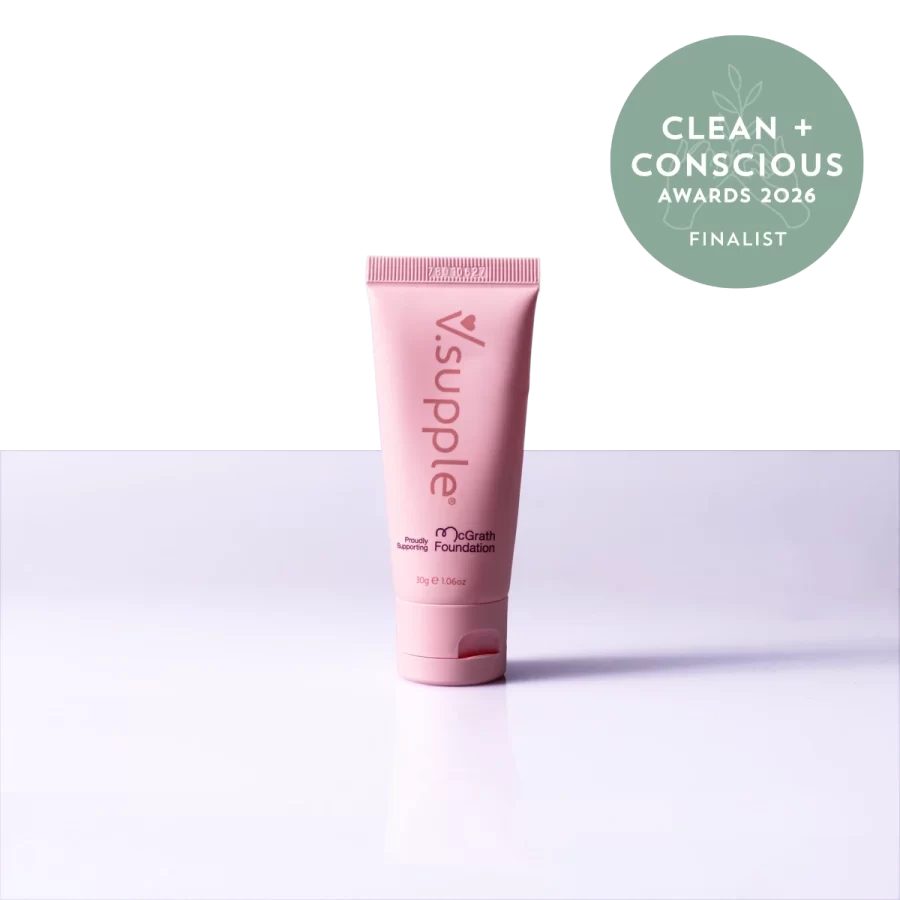
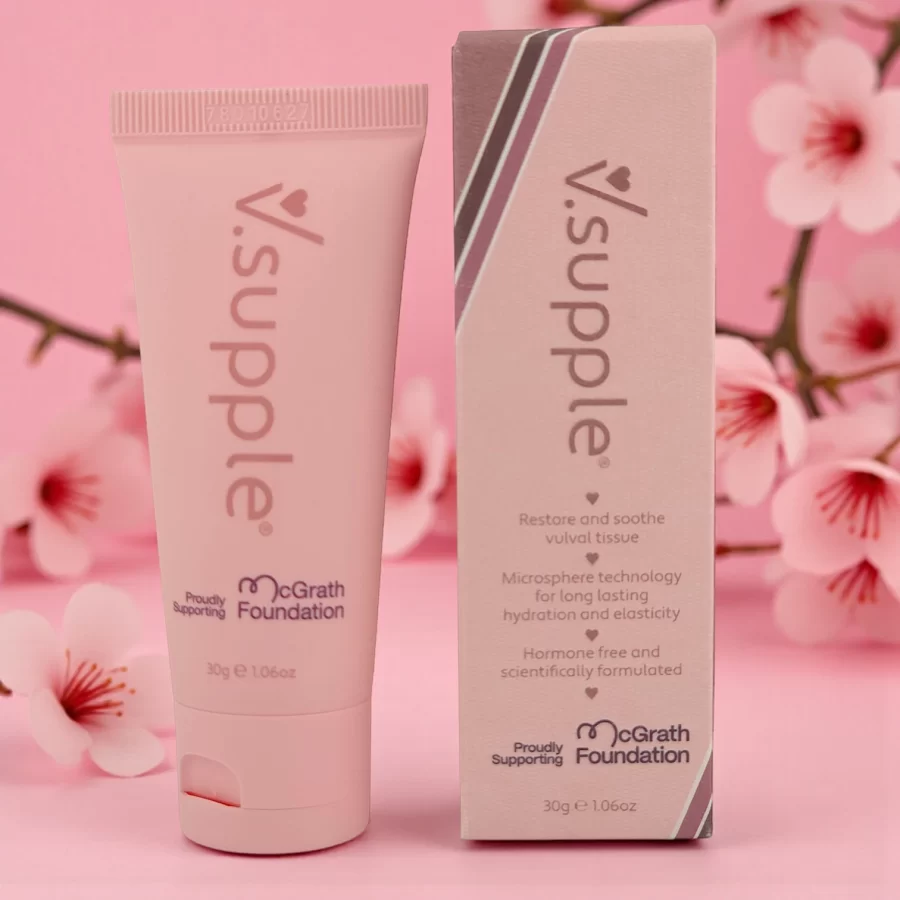
V.supple® Balm
Targeted external intimate hydration
For women experiencing external vulval dryness, irritation or discomfort, V.supple® Balm provides topical hydration designed specifically for delicate external intimate skin.
The formula contains microsphere hyaluronic acid, vitamin E and organic avocado oil and is hormone-free and fragrance-free.
It can be used as part of a daily comfort routine, including for women navigating menopause or changes associated with cancer treatment.
V.supple® Balm
Topical Hydration Cream for Vulval Comfort | 30g
Nature knows best. Science proves it. Our innovation knows no bounds.
The hero that started it all.
Vegan | Hormone-Free | Fragrance-Free | Dermatologist-Tested | Hypoallergenic | Safe for Daily Use
In stock
V.supple® DermaVeil+
Recovery support for sensitive and post-treatment skin
For skin that is dry, sensitive or stressed following treatment, V.supple® DermaVeil+ is a fragrance-free, non-hormonal recovery gel matrix designed to hydrate, calm and support the skin barrier.
It combines multiple forms of hyaluronic acid with ceramides, cholesterol, phytosphingosine, calendula, bisabolol and botanical oils. The product has been developed with sensitive and post-treatment skin in mind.
If you're receiving radiotherapy or have recently completed treatment, always follow the specific skincare advice provided by your oncology or radiation therapy team before applying any product to the treatment area.
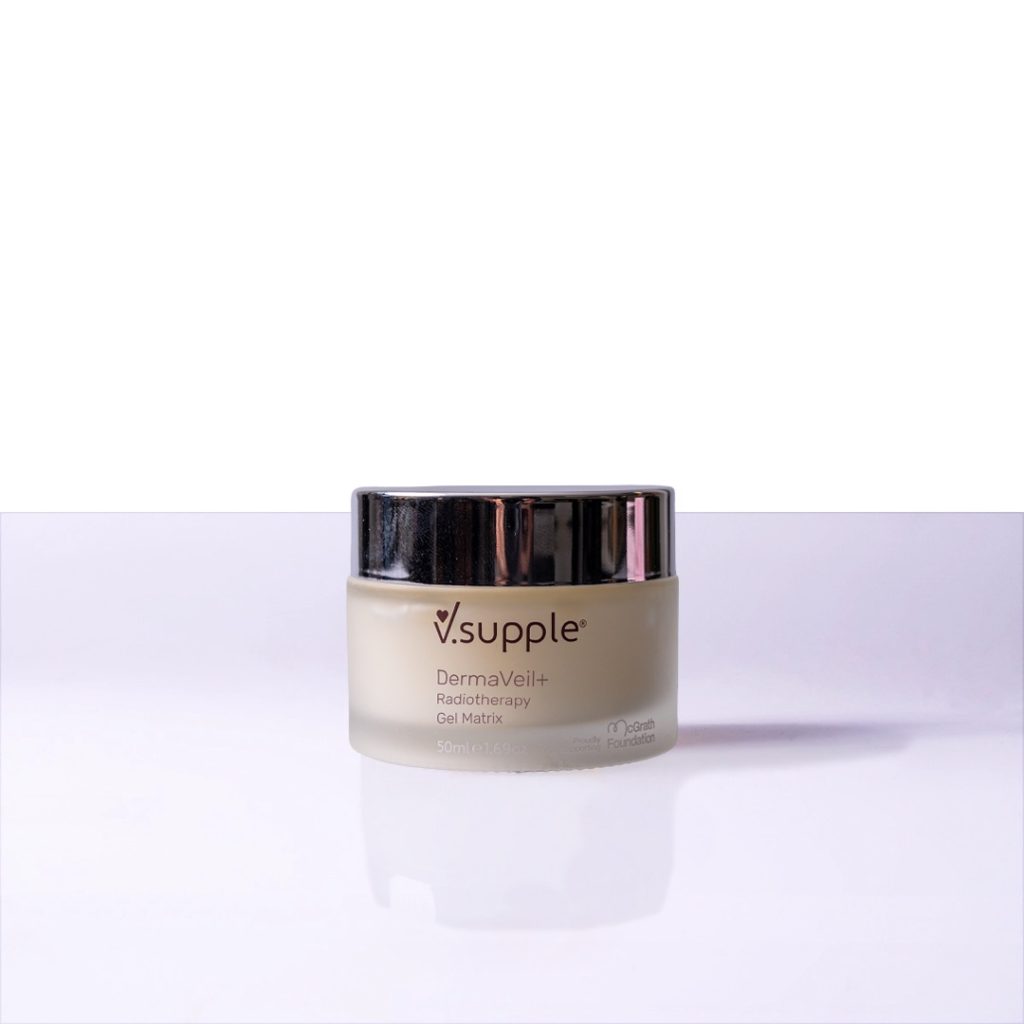
V.supple® DermaVeil+ Radiotherapy Gel Matrix
Dermaveil+ is a next-generation recovery gel matrix formulated to hydrate, calm, and protect sensitive or post-treatment skin. A multi-layered hyaluronic acid complex (7 types of HA across 4 molecular weight grades) hydrates at different depths of the skin, while a ceramide-lipid blend strengthens the barrier. Fragrance-free and non-hormonal.
- Deep, multi-layer hydration (7 types of hyaluronic acid, 4 molecular weight grades)
- Barrier repair with ceramides, cholesterol & phytosphingosine
- Australian botanicals: Kakadu Plum & Prickly Pear seed oils
- Soothes redness with calendula & bisabolol
In stock
You don't have to navigate survivorship alone
Support doesn't have to come only from your medical team.
There are Australian organisations providing information, practical assistance, emotional support and opportunities to connect with others who have experienced cancer.
Cancer Council Australia
Cancer Council provides information and support for people affected by cancer, including people living with cancer, those who have completed treatment, families and carers.
Cancer Council 13 11 20 provides free, confidential information and support across Australia. Cancer Council also provides resources covering life after treatment, sexuality and intimacy, emotional wellbeing and practical concerns.
Visit Cancer Council Australia →
Cancer Australia
Cancer Australia's information covers cancer treatment, follow-up care, survivorship, emotional wellbeing and life after cancer.
Its follow-up guidance also encourages people to discuss issues such as sexuality and intimacy with their healthcare team.
Explore Cancer Australia resources →
Breast Cancer Network Australia
For women affected by breast cancer, Breast Cancer Network Australia provides information and resources covering physical, emotional and relationship changes associated with cancer and treatment.
Their resources include information about sexuality, intimacy, body changes and menopause-related concerns.
Visit Breast Cancer Network Australia →
Starting the conversation
You don't need to have all the answers.
If something about your body, your relationships or the way you're feeling has changed, that's reason enough to bring it up with someone in your healthcare team.
You can start with something as simple as:
"This has changed since my treatment. Is this something we can talk about?"
Cancer survivorship is about more than monitoring whether cancer has returned. It is also about supporting your health, wellbeing and quality of life as you move forward.
Watch the full conversation with Dr Tonia Mezzini and Dr Karen Hawke above, and explore the resources below for further support.
A note from V.supple®
The information in this article and the accompanying video is provided for general educational purposes only and should not be considered medical advice.
Every cancer diagnosis and treatment journey is different. Always speak with your oncologist, GP, cancer care team or another appropriately qualified healthcare professional about symptoms, treatment decisions and whether a particular skincare or health product is suitable for you.
V.supple® products do not treat or prevent cancer and are not intended to replace medical treatment.